Tuesday, June 15, 2010

Bus vs. Light Rail

Here in Ohio, there is a debate over a proposed light rail corridor linking Cincinatti, Columbus, and Cleveland, the 3-C. Some are of the belief that "build it and the riders will come," while other point out flaws in the projected speed and cost of the project. In the latter camp, oddly enough, I might count the Federal Transit Authority Administrator Peter Rogoff. In a recent hard-hitting speech, he pointed to the irony and danger of building more infrastructure when we can't maintain what we have. Is it sustainable to expand infrastructure, even green infrastructure?

"Let's start with honesty:

Supporters of public transit must be willing to share some simple truths that folks don't want to hear. One is this -- Paint is cheap, rails systems are extremely expensive.

Yes, transit riders often want to go by rail. But it turns out you can entice even diehard rail riders onto a bus, if you call it a "special" bus and just paint it a different color than the rest of the fleet.

Once you've got special buses, it turns out that busways are cheap. Take that paint can and paint a designated bus lane on the street system. Throw in signal preemption, and you can move a lot of people at very little cost compared to rail.

A little honesty about the differences between bus and rail can have some profound effects..."

...
"If you can't afford your current footprint, does expanding that underfunded footprint really advance the President's goals for cutting oil use and greenhouse gases? Does it really advance our economic goals in any sustainable way?"

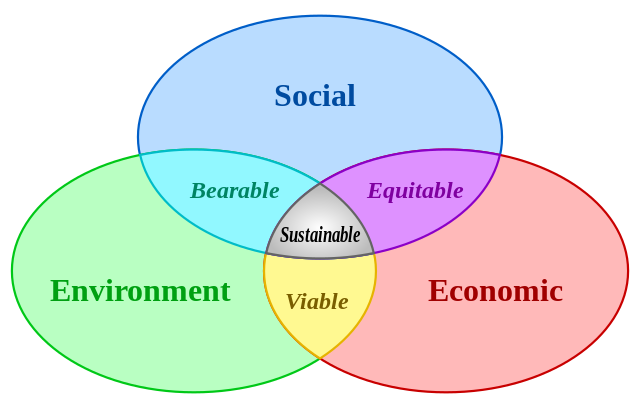
Natural Resource Management: Social, Environmental, and Economic

Thursday, June 10, 2010

Top-Down or Bottom-Up?


A number of science controversies surrounding trophic cascades are well-presented in William Stolzenburg's book, "Where the Wild Things Were: Life Death, and Ecological Wreckage in a Land of Vanishing Predators". 2008. The book deals with the 20th century history of population ecology and the struggle to understand whether populations of animals and plants are controlled from the top by large predators or from the bottom by primary productivity. From Elton's realization of the pyramid of biomass on Spitzbergen to Hairston, Smith, and Slobodkin's Green World Hypothesis, to Paine's experimental verification of top-down control in starfish and mussel systems, the book covers the origin and development of such key concepts in ecology and conservation as keystone species and trophic cascades.

In addition to covering classic work such as Paine's starfish and mussel studies, the book also delves into controversies over killer whales and sea otter populations. While the latter are controversial because the results are relatively new, other controversies such as those over the rise and collapse of deer herds on the Kaibab plateau after the removal of top predators are controversial because the data are so old.

I wish the book had covered more of the controversy surrounding the Yellowstone wolves-grazing story in Wicker 2003 . The classic story of the wolves restoring Yellowstone's ecosystem to equilibrium should be interrogated because of differing interpretations of top-down (predator controlled) or bottom-up (hydrology-controlled) factors. For example, Wolf, Cooper, and Hobbs (2007) call much of Wicker's simplistic assumptions into question. And Meyer and Persico (2009) question Wolf, Cooper, and Hobbs' climate assumptions for the Holocene. The latter are both good papers, coming from different paradigms, all illustrating some of the difficulties for assigning "cause" and "effect" in dynamic and contingently evolving ecosystems.

Stolzenburg writes that "while the fall of the great terrestrial predators can be summed up as a casualty of the agricultural age, the subsequent collapse of their marine counterparts owes itself to the coming of the technological age." The work concludes with an excellent analysis of the conservation biology idea of linked conservation reserves, and the human opposition to acceptance of large wild animals. In the end, whatever the ecological story, the human social story will always get the last word.

Wiggle-Room

Changes are occurring in our climate and in our vegetative communities, but the links between abiotic drivers-and-constraints of ecosystem stability-and-dynamics are not well understood. How much wiggle-room we have in choosing our ecosystems might be important. I'm intrigued by evidence showing that some ecosystems are more "efficient", "productive" or "stable" than other ecosystems. I'm interested in the processes that control bimodal grass-shrub community choices -- middle down (fire, herbivore) or bottom up (temperature, rainfall timing/amount). So far the evidence seems to suggest that fire or grazing can only fudge (speed up?) natural changes based mainly on precipitation. When it doesn't rain the grass dies and there's not much you can do about that. Do disturbances transform ecosystems or are slow changes stochastically-mediated saltational discrete disturbances?

These changes create opportunities for research to understand fundamental processes and attributes of ecosystem science.

More work needed: Omege-3 fatty acids and antioxidants


In the past, I have argued that antioxidants aren't necessarily good for you, since some level of oxidation is required to support metabolism. As with many areas of public health research, there are contradictions. An example is the role of poly unsaturated fatty acids (PUFAs) in health. Many studies of human and animal populations have shown a health enhancing effect, but biochemists worry about the potential for these highly reactive molecules to oxidize and form free radicals. Perhaps they can be good in some cases, and bad in others?

Seeing the Forest for the Trees
The problem of scaling up from biochemical and molecular biology to whole organism physiology is seems to be a classic example of research at different levels yielding different results. For example, studies of the amount of food waste Americans throw away come to very different conclusions about food waste compared to studies that sum total food produced and imported and subtract food consumed in this country. Another example are national estimates of CO2 production by industry versus measurements of actual CO2 increases in the atmosphere. A third example is the classic mismatch between single-leaf gas exchange measurements and whole forest flux readings. The effort to reconcile differing conclusions from different levels of inquiry seems especially productive.

Evidence of scale-dependent mismatch in Omega-3 fatty acid research
One issue, of course, are the many different kinds of omega-3 fatty acids. One kind in particular, DHA (EPA, also) seems especially important for health benefits. But even this specific molecule is controversial:

"Docosahexaenoic acid (DHA) has a significant role in neural membrane phospholipid metabolism, immune responses and the aging process. The difference in antioxidant testing results between animal and human studies and between in vitro and in vivo effects is discussed in terms of different end-points of oxidation. This chapter concludes with seven important unsettled nutritional questions that need future research. With so many unanswered questions, the conclusion is drawn that it would be imprudent to make dietary recommendations to the public before the mechanisms of polyunsaturated lipid nutrition, in vivo activity of antioxidants, and in vivo lipid peroxidation are better understood." LIPID OXIDATION — SECOND EDITION. Edwin N. Frankel. 2005.

"Free radicals and reactive oxygen species produced in cells may attack PUFAs resulting in the formation of more free radicals, specifically hydroperoxides. The hydroperoxides, in turn, may damage DNA ultimately leading to cancer. These effects have indeed been observed in some in vitro experiments, but not in actual human beings. Many studies have shown that fish oils actually retard aging and suppress so- called free radical diseases such as atherosclerosis and cancer. Other studies have shown that a daily EPA + DHA intake in excess of 2.3 grams decreases the production of superoxide, a potent cancer promoter. At least one in vitro and one animal experiment have observed that EPA + DHA kill human breast cancer cells via the formation of hydroperoxides, but that this effect is strongly inhibited by vitamin E. Thus, at this point, it is not entirely clear whether EPA + DHA exert part of their beneficial effect through an increase or a decrease in the production of free radicals and reactive oxygen species. The researchers recommend more work in this area, but emphasize that the major benefits of fish oils probably are associated with their ability to inhibit the synthesis of arachidonic acid-derived, pro-inflammatory eicosanoids."
Larsson, SC, et al. Dietary long-chain n-3 fatty acids for the prevention of cancer: a review of potential mechanisms. American Journal of Clinical Nutrition, Vol. 79, June 2004, pp. 935-45


It seems that omega-3s may actually increase oxidative stress, but possibly only in the right areas: "In mammary tumours, it is observed that long-chain fatty acids not only increase apoptosis, but also increase lipid peroxidation, and the apoptotic effect can be reversed by antioxidants. The rationale for use of n-3 FA dietary supplements in counteracting BC progression needs to be tested... while at the same time, the effect on whole-body lipid peroxidation needs to be monitored. "
British Journal of Nutrition (2002), 87:193-198 Cambridge University Press Review article n-3 Fatty acids and lipid peroxidation in breast cancer inhibition Basil A. Stoll

There is some evidence that antioxidants can protect against unwanted damage from reactive PUFAs, but also some evidence that PUFAs are inherently dangerous: "DHA enhances the susceptibility of the liver and kidney to lipid peroxidation concomitant with higher levels of DHA in these tissues, as shown by the fatty acid composition. In addition, Vitamin E is unable to protect membranes of the liver and kidney rich in DHA from lipid peroxidation, even after ingestion of the highest level of Vitamin E. "
British Journal of Nutrition (1997), 78:655-669 Cambridge University Press
General Nutrition. Changes in susceptibility of tissues to lipid peroxidation after ingestion of various levels of docosahexaenoic acid and vitamin E. Kazuhiro Kubo, Morio Saito, Tadahiro Tadokoro and Akio Maekawa

In conclusion, "The arachidonic acid cascade is arguably the most elaborate signaling system neurobiologists have to deal with." Piomelli, Daniele (2000). "Arachidonic Acid". Neuropsychopharmacology: The Fifth Generation of Progress.

Wednesday, June 09, 2010

Sunday, June 06, 2010

Carbon Considerations

How much CO2 does flying emit compared with cars, and how much would it cost to offset that?

The average airplane flight emits about 0.4lb of CO2 per passenger mile. Compare that to a decent 20mpg car, which emits about 1lb of C02 per mile. Of course, if you carpool, you can divide that by the number of passengers. This confirms most calculations I have seen that show that flying gets about 70 mpg per passenger (source) However, because the effect of CO2 at that altitude is greater, a correction factor gives an effective mpg of 35mpg per passenger, still better than most cars, but not if you carpool. If your flight isn't completely booked, your share of the CO2 emitted would be even greater. In general, about 20lb CO2 are emitted per gallon of gas (source)

So, driving or flying 2,000 miles would emit 800 lb and 2,000 lb, respectively. But for two people, the figures for flying would become 1,600 lb, versus 2,000 lb driving. Let's just say that it's about a ton.

What would it take to offset these emissions?

To offset one ton carbon costs about $15. A number of companies will do this. "Afforestation of crop or pasture land is estimated to have the potential to sequester
between 2.2 and 9.5 metric tons of CO2 per acre per year. Reforestation is estimated at 1.1 to 7.7
metric tons of CO2 per acre per year." (source: Congressional Research Service) So a fraction of an acre could sequester the carbon from a cross-country airplane flight.


Interestingly, the cost to plant an acre of trees is $250-$2,000/acre (average: $500). According to this analysis, if afforestation (greatest potential to sequester carbon) cost $200/acre it could be profitable at a carbon price of $21/ton.

Friday, June 04, 2010

Growing Season


"The growing season has begun throughout the Northeast and the Growing Degree Days (GDD) are accumulating. This is a tool that farmers and gardeners use to track crop progress and to manage pest infestations. As the map above indicates, as of May 23, 2010, the GDD accumulation in most of the Northeast is 1 to 2 weeks ahead of normal. Reports from the National Agricultural Statistic Services show that the impacts of an advanced season are varied. Most states in the region reported that field crop and fruit progress is ahead of normal. While it's beneficial to get the field crops in early so the crop has time to mature, the early fruit bloom and emerging vegetables were damaged by the frost that occurred during the second week in May. The frost was considered a late frost in southern parts of the region, but well within the normal range for the northern states." from NRCC.

Wednesday, June 02, 2010

Adaptive Nitrogen Management

Harold M. van Es, Cornell University Department of Crop and Soil Sciences, Soil Health

Dr. van Es introduced his team's effort at a comprehensive, quick, and cheap soil test that goes beyond the standard chemical measurements to include physical and biological properties as well. I would like to see a paper showing how much variation in yield (b/c that is the output variable of interest to farmers) this test can account for, compared to other more comprehensive tests or even expert in-field evaluation.

Dr. van Es than discussed his work creating an adaptive nitrogen management tool that would completely bypass soil tests. His on-line tool uses rainfall patterns to estimate loss of nitrogen from corn fields and than recommends how much "booster" N to add. The benefits include less overall use of N. Interestingly, the loss of N in wet weather is exacerbated in soils with high organic carbon because of increased decomposition rates, according to Dr. van Es. Unfortunately, he did not discuss the dynamics of N under alternative farming (no synthetic fertilizer, no-till with cover crops, etc) practices that could obviate the need to even add N. I realized that one thing that's nice about monoculture corn across most of the mid-West is that the standardization makes it easier for science research to be relevant to a lot of people. It would be harder for Dr. van Es to research all the different alternative management techniques and apply recommendations for adaptive management to each.

The reason for internet-based adaptive management is a lack of real-time on-the-ground data on, say, soil moisture levels, N content, etc. But this is changing and Dr. van Es did show a few slides about what may be the future, with combines and irrigation equipment festooned with hi-tech spectrometers to gauge how much N plants have. The technique has been shown to be successful with wheat, but is still being developed on other crops.

Some links:

Sustainable Agriculture Research and Education

Alternative Farming Systems Information Center

Tuesday, June 01, 2010

Mercury in your Mouth


Mercury has a number of toxic effects and for that reason much work has gone into eliminating mercury from the environment. Although CFC lightbulbs do contain mercury, the government hopes people won't break them, and mercury thermometers have been generally discontinued. The coal industry has spent millions of dollars to combat the problem of mercury emissions, as have other chemical industries. Unfortunately, one place we've forgotten to look is in our own mouths.

Mercury or Amalgam fillings are shiny and metallic and have been used for a least 150 years to fill cavities in human teeth. Currently, their installation and use is not regulated under environmental laws, despite clear research showing that "dental amalgam is the greatest source of mercury vapour in non-industrial settings, exposing the concerned population to mercury levels significantly exceeding those set for food and for air." (WHO)

The problem is not trivial: in the U.S. dental amalgam accounts for about 11 percent of total mercury use, and emits between .6 tons/year and 10 tons/year (more than hazardous waste combusters, cement, etc). (EPA) These emissions are from cremations (~3 tons), water passing through humans (1-10 tons from 300 million americans, each excreting 3-100 micrograms per day) dentist offices (2-25 tons a year from 35-522mg/day/dentist). The totals are less than coal power plants (52 tons/year), but still significant. In Washtington state, King county has mandated the disposal of dental amalgam fillings in a hazardous waste disposal facility and states that "Amalgam particles removed from teeth should be collected, dried, placed in sealed containers, labeled and disposed of only to those qualified waste handlers and waste sites that do not incenerate or burn solid wastes. " Apparently the only place the stuff is safe is in our mouths.

The EPA Reference Dose for safe exposure to mercury is 0.1 micro g/kg/day and the FDA can remove food product from the shelf if it is found to contain more than 1 ppm mercury. Individuals with amalgam fillings ingest 3 to 100 micrograms of mercury per day, easily putting them over both limits. Depending on the number, size, and age of the fillings, the effective dose can be equivalent to eating several cans of tuna a day, each and every day. ( Environmental and Toxicological Concerns of Dental Amalgam and Mercury. Scarmoutzos, Louis and Boyd, Owen. )

In addition, dental amalgam in contact with dissimilar metals may generate galvanic corrosion which would release inorganic mercury (which is water soluble and readily transportable in the environment). Gastrointestinal microorganisms in humans can form methylmercury (the more dangerous form of mercry) from inorganic mercury. Studies have documented that dental amalgam is indeed bioavailable, at least to goldfishes. (Christopher J. Kennedy, “Uptake and accumulation of mercury from dental amalgam in the common goldfish, Carassius auratus,” Environmental Pollution 121, no. 3 (March 2003): 321-326.)

These environmental and personal health issues have convinced me to have my fillings removed and replaced with plastic composite. I would strongly urge anyone else with health concerns about their mercury fillings to also do the research, and then make their own decision. As with many areas of science, the evidence for harm is not complete, and much more research needs to be done. However, I believe that there is sufficient evidence to act.