Showing posts with label diet. Show all posts

Sunday, April 10, 2016

The Problem with Nutrigenomics

"Personalized nutritional counseling is a burgeoning field. Several companies, including Vitagene, Nutrigenomix and DNAFit, are already offering individualized dietary counseling.  Their efforts are based mostly on genetic testing, but scientists have only just begun to explore the links between DNA and good nutrition. “I think companies offering personalized dietary advice are probably running ahead of the evidence,” said John Mathers, director of the Human Nutrition Research Center at Newcastle University in Britain." [NYTimes Blog]

Introduction

Science skeptics have recently reviewed these services, and found plenty of quackery. [Science Based Medicine] [Skeptical Raptor]

However, there is some research to back up the idea that genetic testing can provide insights into metabolic disorders.  There may be as many as 200 SNPs for which there are proven metabolic effects, and only a subset of these alter nutrient requirements in a significant portion of the population [e.g., the rs1801133 MTHFR SNP and folate requirement in 15–30% of the population (Solis et al., 2008) and the rs12325817 PEMT SNP and choline requirement in 20–45% of the population (da Costa et al., 2006)].

What do genetic testing services measure?

The human genome consists of about 3 billion nuceleotide bases, each of which is either A,C, T, or G.  A reference genome based on the similarities of all genotyped humans has been assembled, along with a corresponding reference database of all of the point "mutations" where individuals differ from that baseline.  So far, scientists have documented about 150 million of these single nucleotide polymorphisms, called SNPs.  The average person doesn't have all of these differences, however; most people have about 3 millions SNPs that differentiate them from the reference human genome.   Since 3 million is about 0.1% of the 3 billion base pairs, most humans differ from each other by about 0.1% of our DNA. Ancestry genomic testing services like 23andme test for a few hundred thousand SNPs for $100-$200.  For $1000-10,000 a complete genomic sequence can be obtained.  (there are about 3 billion bases total.  

Examples: MTHFR – metabolic pathways and nutrigenomics

In humans, SNPs in the gene MTHFD1 increase the demand for betaine as a methyl-donor, thereby increasing the dietary requirement for choline. Another SNP in the gene PEMT prevents the activation of this gene by estrogen, thereby decreasing endogenous production of phosphatidylcholine (a source of choline) in the liver and increasing the dietary requirement for choline. [Choline: Critical Role During Fetal Development and Dietary Requirements in Adults. Ziesel]

But note that it is not so simple.  There are several forms of the MTHFD1 gene, for example MTHFD1L and MTHFD2. If MTHFD1 is commonly mutated, it may be a pseudogene.

Complexities interpreting SNPs

No simple test can unravel the intricacies of the human genome, and consumers should be suspicious of anyone claiming to be able to interpret measurements of tens of thousands of genes, with millions of genetic variations, some of which have effects on hundreds or thousands of the small molecules of metabolism (and perhaps on thousands of peptides or proteins involved in metabolism).
[A grand challenge for nutrigenomics.  Steven Zeisel. 2010.]

Mistakes in genomics data

Note that 23andme data, like any large genome scan, can have mistakes in it.  For example, the Enlis genomics blog found more than 500 likely mistakes in a sample of 23andme raw data!  (Enlis)

Furthermore, many important nutritional SNPs are not testing by 23andme.

Solution: Metabolic Testing
There is a genetic test for MTHFR variations. But there’s also a cheaper and more accurate way to test for whetherMTHFR variations are causing disease. We simply check the levels of homocysteine in the blood...In other words, the homocysteine levels determine our actions, not the MTHFR test results.[Cleveland Clinic]

Wednesday, January 27, 2016

Future of blood testing?

Data is power, and these four potentially-revolutionary blood- or breath-testing companies could help generate next-generation medical insights:

University of Southampton, Sharp Labs Europe is developing a mobile lab-on-a-chip 5-10 years

Integrated Diagnostics has a "sniffer" test to look for lung cancer. http://www.indidx.com/articles

V-chip to test 50 different blood chemical markers with microfluidics is still in development. 5-10 years

Theranos lab testing is already cheap and easy online, but they have recently been investigated by the FDA for failing to prove that their tests are accurate.

Monday, January 04, 2016

Ideal Amount of Potassium and Sodium Consumption to Minimize Mortality.

In the spirit of the type of analyses presented in the Perfect Health Diet, I wanted to post some correlations that appear to imply causation.  These two graphs plot Potassium and Sodium Excretion (which is assumed to be a good proxy for intake, assuming people in the study were at steady-state) versus the Odds Ratio of mortality. The odds ratio is a normalized measure of the probability of death.


The first graph illustrates that in this sample, the more potassium consumed (and hence excreted), the lower the odds ratio of mortality.


The second graph illustrates that mortality is higher for those consuming both more than, and less than, 4 g of Sodium per day.  Interestingly, the increase in mortality risk increases more slowly above 4 g/day than it does below 4 g/ day, suggesting that consuming slightly more than 4 g/ day is healthier than consuming slightly less than 4 g/day.

I think these types of analyses could be used to set standards for a whole range of vitamins, minerals, and perhaps other "Goldilocks" substances.  Goldilocks substances are things which are healthy in moderation, but either too much or too little can be harmful or hazardous.  Obviously, some substances such as toxins and radiation are inherently harmful, even down to the smallest dose (but see hormesis theory).

Source.  Urinary Sodium and Potassium Excretion, Mortality, and Cardiovascular Events N Engl J Med 2014; 371:1267 September 25, 2014.  This study looked at over 100,000 people from dozens of countries.

Wednesday, February 04, 2015

H2S: A Toxic Gas, and an Important Metabolic Neurotransmitter!

Hydrogen sulfide, in addition to being a poisonous gas associated with oil and gas wells, plays a huge number of critical metabolic and neurotransmitting roles in the human body.

Source.  Hydrogen sulfide-based therapeutics and gastrointestinal diseases: translating physiology to treatments
Melissa V. Chan , John L. WallaceAmerican Journal of Physiology - Gastrointestinal and Liver PhysiologyPublished 1 October 2013Vol. 305no. 7, G467-G473DOI: 10.1152/ajpgi.00169.2013

Source.

Source.  Physiological Implications of Hydrogen Sulfide: A Whiff Exploration That BlossomedRui WangPhysiological ReviewsPublished 1 April 2012Vol. 92no. 2, 791-896DOI: 10.1152/physrev.00017.2011


Different signaling pathways in cardiovascular system modulated by H2S. AC, adenylyl cyclase; sGC, soluble guanylyl cyclase; PDEs, phosphodiesterases. The inhibitory effect is denoted with (−), and the stimulatory effect is denoted with (+).  Source: 


To research about a specific enzyme, the Human Metabolome Database HMDB works well.  To view maps of enzyme reactions, I recommend this interface:

Sunday, January 25, 2015

Core biochemical methylation pathways.

Two common mutations can cause decreased levels of BH4. The first mutation increases the activity of CBS, which converts Homocysteine to Cystathione and eventually to cysteine and then taurine.  The second mutation is directly involved in the regeneration of BH4 in the methylation pathway.

But before I get ahead of myself, why is BH4 so important?

Tetrahydrobiopterin (BH4) has five major responsibilities as a cofactor.  It is needed to work with:

Tryptophan hydroxylase (TPH) for the conversion of L-tryptophan (TRP) to 5-hydroxytryptophan (5-HTP)
Phenylalanine hydroxylase (PAH) for conversion of L-phenylalanine (PHE) to L-tyrosine (TYR)
Tyrosine hydroxylase (TH) for the conversion of L-tyrosine to L-DOPA (DOPA)
Nitric oxide synthase (NOS) for conversion of a guanidino nitrogen of L-arginine (L-Arg) to nitric oxide (NO) in the Urea Cycle
and
Alkylglycerol monooxygenase (AGMO) for the conversion of 1-alkyl-sn-glycerol to 1-hydroxyalkyl-sn-glycerol

The first three reactions are critical to producing adequate levels of serotonin and dopamine. Low levels of BH4 can impair neurotransmitter production and lead to the build up of toxic intermediates, like phenylalanine.


This chart shows that without BH4 phenylalanine (found in all foods) is not converted to tyrosine. Tyrosine one of the 22 amino acids used to build protein and is normally non-essential. It is found in most foods.


BH4 is synthesized in four ways:


BH4 is involved in the major biochemical cycles:


Methionine is a major source of sulfur groups in the diet, so limiting methionine-rich foods helps limit problems from an overactive transulfuration pathway (i.e. overactive CBS enzyme). Other sulfur rich foods include crucifer vegetables and onions and garlic.

BH4 is tangentially involved in both the urea cycle and the folate cycle.

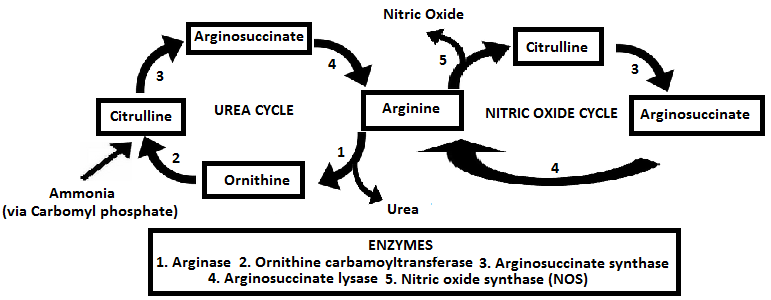
The urea cycle in detail: Arginine from our diet or from protein metabolism is converted to ornithine and urea by the enzyme Arginase. Ornithine is then converted to citrulline by ornithine transcabamoylase (OTC). Citrulline is converted back to arginine. This cycling of Arginine through the various intermediates is what converts ammonia to urea. (More info)


Source.

Arginine is also required for the production of Nitric Oxide (NO) by the enzyme nitric oxide synthase (NOS or eNOS). This reaction is dependent on the levels of BH4 available from the BH4 cycle. Remember two molecules of BH4 are needed to generate Citrulline and NO. One molecule of BH4 will in turn generate peroxynitrite and if there is no BH4, super oxide is formed. (Source. )

The Urea Cycle and the Nitric Oxide Cycle are interconnected by arginine as follows: Citrulline, made from ammonia (and ornithine), is recycled to arginine in the Urea Cycle. That arginine can then enter the Nitric Oxide Cycle where it is converted to nitric oxide by nitric oxide synthase using tetrahydrobiopterin (BH4). (Note that citrulline is also generated during the formation of nitric oxide from arginine.)

From this we can conclude that a deficiency in BH4 does not impact ammonia detoxification in the urea cycle.

Saturday, January 17, 2015

What Causes Colon Cancer? More importantly, what prevents it?

Colon cancer incidence --like that of many cancers-- varies several-fold between different countries, indicating that perhaps there are environmental or lifestyle factors that cause or prevent it. Much of this post is based on this excellent review article

Known Influences of Colon Cancer Risk (ranked from most important to most equivocal)

Aspirin: The Women's Health Study of 34,000 women 45 years and older found a 42% reduction in colonrectal cancer in the group that was taking aspirin.

Selenium: Populations with adequate selenium intake (most of the U.S. is OK, but European soils are selenium-depleted so their foods are lower) have lower colorectal cancer.

CLA, or conjugated linoleic acid is protective against cancer and found in grass-fed beef and dairy products, possibly explaining a lower incidence of colorectal cancer among people who eat dairy.

Dietary fat: results are conflicting. While a study based on a large, hospital-based sample of cases and controls, provided no evidence that dietary fat was associated with increased risk15, an equally large and well executed case-control analysis revealed a strong association of dietary fat with colon cancer risk 16.

Fiber: results are conflicting. One of the best studies of diet and colon cancer, the prospective Nurses Health Study, indicated that dietary fiber does not affect the risk of subsequent colon cancer 17. Although some fruits and vegetables, which contribute fiber to the diet, may be protective, dietary fiber alone appears to have no impact on colon cancer risk17.

Vegetarian Diet: while eating a vegetarian diet slightly lowers the risk of all cancers, it has also been found to increase the risk of colon cancer, according to the European Prospective Investigation into Cancer and Nutrition (EPIC) study.

Meat: results are conflicting, and different for different types of meat.  “The available epidemiologic data are not sufficient to support an independent and unequivocal positive association between red meat intake and CRC [colorectal cancer].” - from a review of the evidence regarding red meat consumption and colon cancer in the European Journal of Cancer Prevention [1]. Cited by Dr. Briffa.

However, a number of compounds in meat are known to be harmful.  For example, heterocyclic amines, a known cancer-promoting substance, are produced when meat is grilled or fried at high temperature.  High iron levels may induce oxidative stress and can be harmful.  Meat increases IGF-1, which promotes growth of all cells, esp. cancer. Recently, a sugar in red meat called Neu5Gc has been linked to inflammatory effects.  And even Carnitine, a heart-healthy compound found in red meat, has been found to stimulate bacteria to produce TMAO, a known cancer-causing substance.  However, whether all of these individual compounds, when consumed as part of a healthy diet, cause cancer, has yet to be determined.   Chris Kresser has comprehensive review article that addresses these complexities in greater detail.  

[1] Alexander DD, et al. Meta-analysis of prospective studies of red meat consumption and colorectal cancer. Eur J Cancer Prev. 2011 May 2

Tuesday, January 13, 2015

Pathogenic Bacteria Mediate Inflammatory Effects of Meat

A recent study from Harvard university concluded that, in genetically susceptible mice, dietary saturated fatty acids (SFAs) led to increased pathogens in the gut. (See Rob Wolf's critique of the study.)  The implication appears to be that dietary SFAs feed harmful microbes.  A similar conclusion was also reported for choline...

Researchers have theorized that the evolutionary pressure from pathogenic gut bacteria has led to the link between SFAs and a prophylactic inflammation: our bodies ramp up a defense response to SFAs because these fats feed harmful bacteria.  In contrast, monounsaturated fats (MUFAs) and polyunsaturated fats (PUFAs) are actually antimicrobial.  

However, it appears that pathogenic species are not being stimulated directly by dietary fats, but rather by cholesterol in our own bile.  This makes sense, because most fats should be absorbed before they reach the large colon, but bile is one of the largest inputs to our large intestines.  If this is true, than dietary fats are not the culprit so much as our own bodies' reaction to SFAs.

Even so, the association between saturated fat intake and inflammation has been repeated numerous times.  For example, one study of obese women on a high-fat low-carb diet noted 25% increase in C-reactive protein (CRP, a marker of inflammation) compared to a 43 decrease on a low-fat high-carb diet.  But when I searched for studies confirming this, I found a 2008 study from the University of Aukland, New Zealand, found that in healthy men, a single high-fat (71% of calories) meal did not lead to changes in tumor necrosis factor-α (TNF-α), and CRP.  Also, a 2004 study looking at the acute effect of a high-fat (50% of calories) meal in young healthy men noted no significant changes in CRP.

Jeff Leach at the Human Food Project lays out an interesting theory to explain these divergent results:

"Multiple studies have shown that a high fat diet produces low-grade inflammation, which in turn promotes metabolic disease such as diabetes. Interestingly, the low-grade inflammation correlates with circulating levels of a plasma endotoxin known as lipopolysaccharide (LPS). LPS is the primary structural component of the outer membrane of Gram-negative bacteria. Importantly, LPS only originate in the gut."

He concludes that intestinal permeability and the translocation of inflammatory toxins occurs only in the absence of Bifidobacteria, a type of beneficial bacteria found in mother's milk and fermented dairy products.  Importantly, stimulation of these species with fiber prebiotics like FOS and inulin has been shown to block inflammation from saturated fats.  Indeed, higher dietary intake of fiber has been repeatedly associated with lower markers of inflammation.

Take home message: always eat enough fiber with higher-fat meals.


Sunday, January 11, 2015

A Disturbing History of Nutrition Science

What is the biggest mistake scientists have ever made?  Nina Teicholz's The Big Fat Surprise, a wonderful history of the awful state of nutrition science, suggests that science's worst mistake may well be the idea that saturated fat is unhealthy.  She makes a convincing case that nutritional guidelines over the last half century, by focusing on fats rather than sugars, have resulted in the premature deaths of millions of Americans and others around the world.

Even more interesting than turning conventional wisdom on its head, this book is an eye-opening journey into how an entire field of science can be hijacked by special interests and strong personalities. Moreover, this book holds important lessons about how the process of science is still susceptible to the same biases and group-think as the rest of society.

Nina Teicholz sums up the story of how nutrition science went wrong:

"Well-intentioned experts, hastening to address growing epidemics of chronic disease, simply overinterpreted the data. Scientists hypothesized that dietary fat was to blame...  This hypothesis became accepted as truth before it was properly tested.  Public health bureaucracies adopted and enshrined this unproven dogma.  The hypothesis became immortalized in the mammoth institutions of public health.  And the normally self-corrected mechanism of science, which involves constantly challenging one's own beliefs, was disabled.  While good science should be ruled by skepticism and self-doubt, the field of nutrition has instead been shaped by passions verging on zealotry. ...Once ideas about fat and cholesterol became adopted by official institutions, even prominent experts in the field found it nearly impossible to challenge them."  

"What I found, incredibly, was not only that it was a mistake to restrict fat but also that our fear of the saturated fats...has never been based in solid science.  A bias against these foods developed early on and became entrenched, but the evidence mustered in its support never amounted to a convincing case and has since crumbled away."

Let the sorry story of nutrition science be a lesson for the scientists and promoters of scientists in other fields.  We like to think that science is independently and objectively building a tower of knowledge for the ages, one rock at a time, but the reality is that our science is a product of our society, our beliefs, our biases, and our assumptions.

Saturday, January 10, 2015

Ketosis!

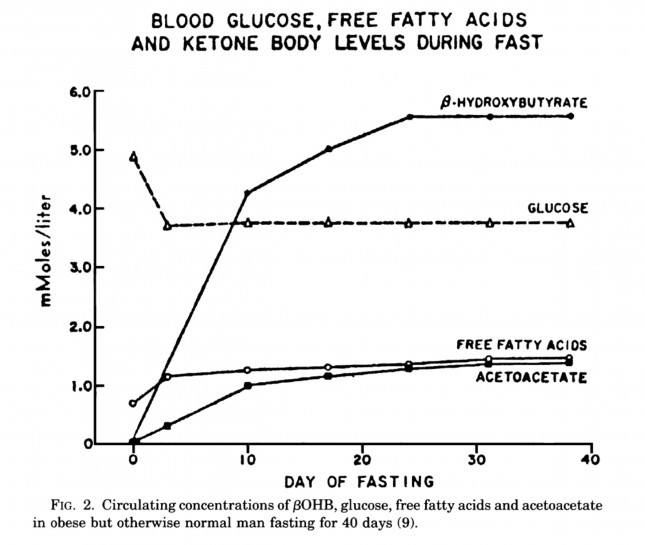
Many people, even biologists, don't know about ketosis, the alternate method our bodies have for supplying energy.  Most people (especially in modern society!) utilize glucose as their cells' primary energy source.  But, in the absence of carbohydrates, our bodies are able to burn fat.  The fats that circulate throughout our body during fasting or very low-carb dieting are known as ketones:

Source.

The metabolic changes necessary to metabolize ketones instead of glucose depend on human physiology and activity:
These graphs describe Peter Attia's experiments with different exercises while in ketosis, and the results to his blood glucose, ketones (B-OHB) and lactate levels. 

Sunday, December 28, 2014

Heart Disease and Blood Lipid Panels

Cholesterol is present in the diet and in the blood, and the difference bears repeating: cholesterol in the diet has very little effect on cholesterol in the blood. While cholesterol blood levels are often talked about as "less is more", we would argue that having values too low can be problematic too. For example, based on WHO data, total cholesterol between 200 and 240 is associated with lowest all-cause mortality, but that is just a simple correlation.

Based on an experimental study on a comparable "Westernized" (?) population, the Japan Lipid Intervention Trial found optimal ranges to be:

Total Cholesterol:180-260 (anything above or below has significant p>0.001 increase risk of all-cause mortality)

LDL: 80-200 (anything above or below has significant p>0.01 increase risk of all-cause mortality)

Triglycerides: N/A - no significant relationship.

HDL: anything above 50 has significant p>0.01 decrease risk of all-cause mortality.

Interestingly, LDL values are usually not measured directly, but only calculated using the Friedewald equation, which has been shown to be inaccurate, especially at low triglyceride values. If you really want to drill down on your blood lipids, your doctor should know that the standard total/LDL/HDL panel is outdated and that newer tests are more accurate.... like the NMR LipoProfile test or a VAP test.

These new tests are important, because not all LDL particles seem to cause heart disease. VLDL particles are smaller than average and are more likely to embed in arterial walls, given predisposing conditions like inflammation (C-reactive protein (CRP) is a good marker of inflammation). If your fasting triglycerides are low you probably have normal healthy LDL, but if they are high you may have much more VLDL. If you also have inflammation....watch out!

Thursday, December 18, 2014

Important Nutrients in the Methionine Cycle

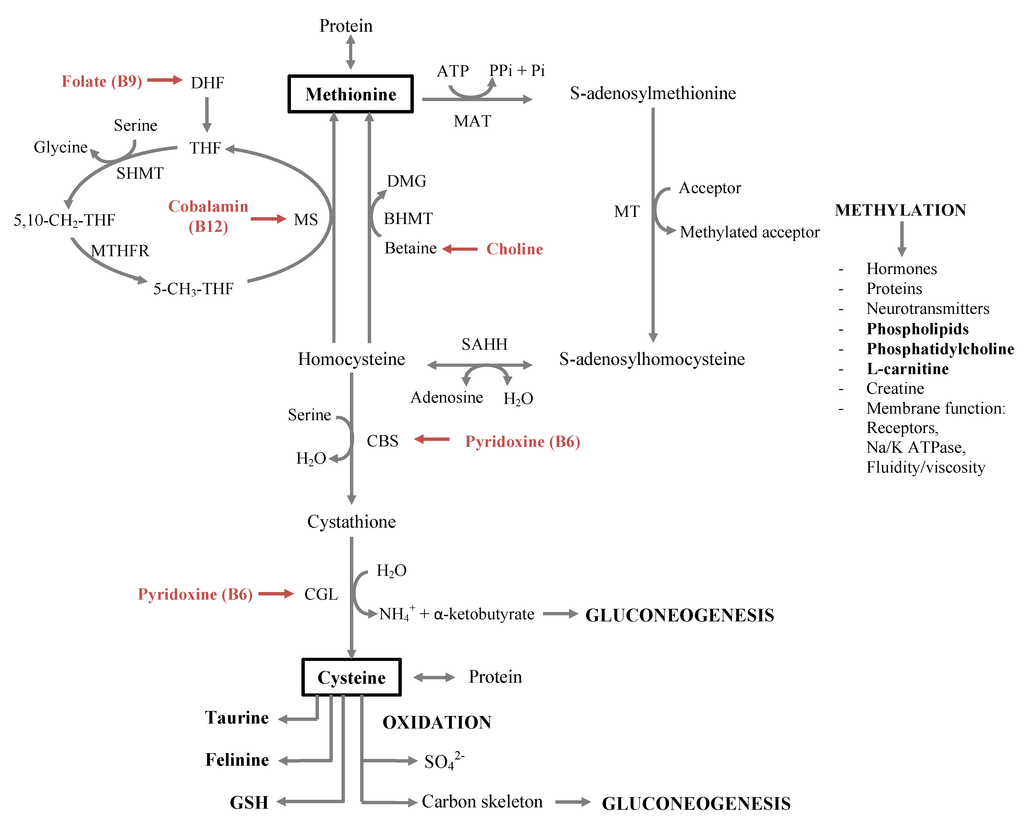
Graphic from the inimitable benbest.com.  GSH is glutathione.
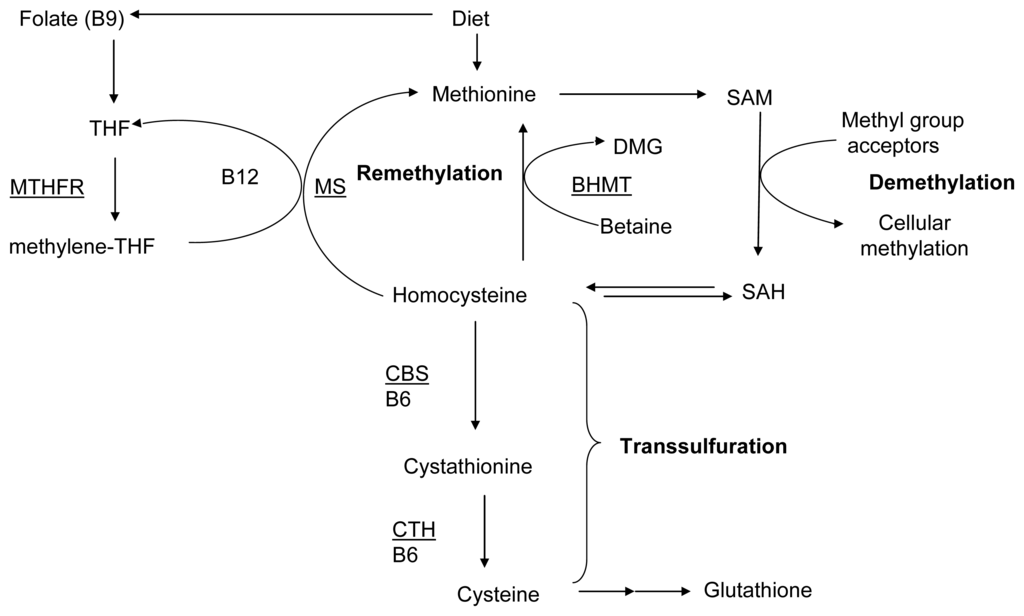
Studies suggest that betaine, along with vitamins B6 and B12 and folic acid, helps reduce higher levels of homocysteine. (This article has lots of citations.)  I think there is now good evidence that the problem with methionine  is really a problem with homocysteine.  Having high levels of homocysteine is related to a higher risk of heart disease and stroke.  Food sources of betaine include beets, broccoli, grains, shellfish, and spinach.  More info on betaine.

Source.


Also note the importance of amino acids like cysteine, glycine, and serine: Cysteine and glycine are converted to glutathione (an important water-soluble antioxidant) with the addition of selenium.  Pea protein and collagen are good sources of glycine, but neither contains much cysteine.  Serine can reduce homocysteine levels, and pea protein is also a good source.


Paleo Diet Reading List

Reading about human origins can be fascinating, and informative.  It has been said that nothing in biology makes sense except in light of evolution, and the same could be applied to diet. I originally wanted to understand the physiological biochemistry of digestion, but several textbooks later I had lots of facts but very little understanding.  While strolling at the zoo, I realized I needed textbooks that described the differences between animal digestion -- a comparative physiology textbook, perhaps.  But again, after reading all of the most popular titles, I had only scattered facts and no theory of the differences between human and animal digestion, or even between carnivore, omnivore, and vegetarian modes of sustenance.

Luckily, two Harvard professors have written books on human evolution with particular emphasis on how dietary changes made us human.  In the process, they provide the best, although somewhat contradictory, source of information on comparative dietary physiology.  Daniel Lieberman's The Story of the Human Body (2013) is a more traditional telling of human evolution, but it is written in an attempt to answer the question of how our paleo bodies have adapted (or not) to modern lifestyles.  Richard Wrangham's Catching Fire: How Cooking Made Us Human (2009), is an extended argument concerning the importance of cooking to human evolution, but he does deal extensively with the comparative behavior and anatomy of humans, proto-humans, chimps, and other primates.  Only at the end of his book does he tackle the problem of modern dietary choices for humans, and then only as a parting shot.  John Hawkes, at the University of Wisconsin, is often mentioned as an authority on human evolution, and I would include his Great Courses lecture (2011) in this triumvirate of human evolutionary tales.

The above works often reference modern accounts of extant hunter-gatherer tribes to understand what life might have been like during the Paleolithic era.  The most notable of these books are Lee's account of the !Kung San, and I would also suggest Weston A. Price's classic Nutrition and Physical Degeneration: A Comparison of Primitive and Modern Diet and their Effects.  A modern synthesis and review of the same subject matter can be found in Lindeberg (2009).

It is interesting to compare the literature on human evolution with the diet book literature making use of ideas in human evolution.  The originator of the "Paleo Diet", Loren Cordain has several books specifying his interpretation of the evidence.  While his 2002 book specifies a diet that seems more restrictive than what I've read in Lieberman and Wrangham, I haven't had a chance to read his 2012 book yet.

1. Lieberman D. The Story of the Human Body: Evolution, Health, and Disease. Knopf Doubleday Publishing Group; 2013.
2. Wrangham R. Catching Fire: How Cooking Made Us Human. Profile Books; 2009.
3. Price W. Nutrition and Physical Degeneration: A Comparison of Primitive and Modern Diets and Their Effects (Hardback). Benediction Classics; 2010.
4. Lindeberg S. Food and Western Disease: Health and Nutrition from an Evolutionary Perspective. Wiley; 2009.
5. Lee RB. The !Kung San: Men, Women and Work in a Foraging Society. Cambridge University Press; 1979.
6. Cordain L, Friel J. The Paleo Diet for Athletes: The Ancient Nutritional Formula for Peak Athletic Performance. Rodale; 2012.
7. Cordain L. The Paleo Diet: Lose Weight and Get Healthy by Eating the Food You Were Designed to Eat. J. Wiley; 2002.

Tuesday, December 16, 2014

Paleolithic Nutrition compared to Modern American Diet

From: Lieberman D. The Story of the Human Body: Evolution, Health, and Disease. Knopf Doubleday Publishing Group; 2013.

Sunday, December 14, 2014

Excess or Insufficient Micronutrients?

Some authors have argued that excess micronutrients, specifically zinc, iron, and copper are a cause of a number of diseases, from atherosclerosis to Alzheimer's. (1) But other writers argue that most Americans are micro nutrient-deficient (very few Americans are macronutrient deficient!). (2)

Micronutrients are critical for human health, but many have relatively narrow ranges associated with optimal health.  Assuming that U.S. dietary guidelines are valid (debatable, but a good starting point), how many people really are receiving inadequate or overabundant micronutrients?

I searched journal articles featuring contemporary data from the U.S. NHANES which surveys a representative sample of the U.S. population.  

Large portions of the population had total usual intakes (food and supplement use) below the estimated average requirement for vitamins A (35%), C (31%), D (74%), and E (67%) as well as calcium (39%) and magnesium (46%). Only 0%, 8%, and 33% of the population had total usual intakes of potassium, choline, and vitamin K above the adequate intake when food and multivitamin use was considered. The percentage of the population with total intakes greater than the tolerable upper intake level (UL) was very low for all nutrients; excess intakes of zinc were the highest (3.5%) across the population of all of the nutrients assessed in NHANES.(3)

Population-based studies indicate that vegetarians have lower mean intakes of vitamin B-12 and zinc and higher intakes of fiber, magnesium, and vitamins A, C, and E than do nonvegetarians. Usual intake data suggest a similar prevalence of inadequacy between vegetarians and nonvegetarians for magnesium and vitamins A, C, and E, with both groups at high risk of inadequate intakes of these nutrients. These same data report that vegetarians have a higher prevalence of inadequacy for iron, vitamin B-12, protein, and zinc than do nonvegetarians. Vegetarians should optimize intakes of vitamin B-12, zinc, and protein; and both vegetarians and nonvegetarians need to increase intakes of calcium, magnesium, fiber, and vitamins A, C, and E. (4)

But these studies only analyze reported food intake, which is notoriously unreliable, even, possibly, in NHANES. Interestingly, NHANES also does actual blood tests, and the results from that research found very few physiologyical (as opposed to dietary) deficiencies.  CDC's National Report on Nutritional Indicators (2012, valid for the period 2003-2006,  only found deficiencies in B6 (11%), Iron (women: 10%), Vitamin D (8%), Vitamin C (6%).   This same report indicates that folate supplementation is responsible for lowering deficiency to less than 1% of the U.S. population.  They also note that many women have iodine levels "bordering on insufficiency".  They did not note any micronutrient excesses. (5)


Sources:

(1) Power Foods for the Brain.  Barnard, Neil.  2013

(2) see, for example, http://chriskresser.com/are-supplements-really-necessary and http://chriskresser.com/why-you-should-think-twice-about-vegetarian-and-vegan-diets

(3) J Am Coll Nutr. 2014;33(2):94-102. doi: 10.1080/07315724.2013.846806.
Multivitamin/mineral supplement contribution to micronutrient intakes in the United States, 2007-2010.
Wallace TC1, McBurney M, Fulgoni VL 3rd. (Affiliation: Council for Responsible Nutrition)

(4) Am J Clin Nutr. 2014 May 28;100(Supplement 1):365S-368S.
Nutritional adequacy of plant-based diets for weight management: observations from the NHANES.
Farmer B.PlantWise Nutrition Consulting LLC

(5) Second National Report on Biochemical Indicators of DIet and Nutrition in the U.S. Population. 2012

Wednesday, December 03, 2014

Antinutrient Resources

In general, plant secondary metabolites can have positive and negative effects (Weston A. Price). The reason I don't try to categorically avoid them, but treat them with caution, is that these effects are multiplicitious and biological: very hard to predict what they will do, good or bad...

However, unless we know about the problems with antinutrients, we won't know why eating raw flour or dough is dangerous, why green potatoes are toxic, or how many raw red kidney beans it takes to kill a man (not very many).

But on the whole, unless you are allergic, most antinutrients will be digested, and some are actually good for you. For example, this article mentions that inositol hexaphosphate is a break-down product of phytic acid. Most phytic acid is broken down by digestion, and there is evidence that it can have beneficial effects as well as deleterious effects.

This article points out that most sweet potato antinutrients are destroyed by baking, as opposed to boiling. This FAO article on all the major food crops and their antinutrients specifies that " Heating to 90°C for several minutes inactivates trypsin inhibitors", which explains why baked sweet potatoes are nontoxic. (But the article also points out that diseased or moldy sweet potatoes may have toxins that are not completely deactivated by cooking ....moldy vegetables should not be consumed. Apparently, toxins in normal potatoes are also not destroyed by normal cooking methods. Furthermore, sweet potatoes do not have lectins, but normal potatoes do. These compounds can have some antidigestive effects, but most should be destroyed by cooking.

Antinutrients are important, but I think methionine and nutrient density / glycemic index considerations are more important overall. A few potatoes or slices of bread shouldn't hurt most people, but if you have the luxury of chooses less toxic plant products, sweet potatoes and especially squash and pumpkins are some of the best sources of nutrients, with the least amount of antinutrients.

Soylent Formula and Macronutrient Ratios

I'm designing the perfect foodstuff. Inspired by Soylent (video), but they don't understand the basic truth that endurance exercise (and oh-so-much of life is endurance exercise) (or you can watch a video of Peter Attia's self experimentation) is powered by fats, not carbohydrates and sugars.

Just look at these hunter-gatherer-runners (video). In The Story of the Human Body, Dr. Daniel Lieberman concludes that “Like it or not, we are slightly fat, furless, bipedal primates who crave sugar, salt, fat, and

starch,” he writes, “but we are still adapted to eating a diverse diet of fibrous fruits and vegetables, nuts, seeds, tubers, and lean meat. We enjoy rest and relaxation, but our bodies are still those of endurance athletes evolved to walk many miles a day, often run, as well as dig, climb, and carry.”

Soylent Nutrition:
(Carbohydrate/Fat/Protein ratio of 50/30/20):
Ingredients                                                                  Quantity
Soylent Blend                                                                                                      166.2g 
oat flour  36.67
Sweetener, maltodextrin  55.0
rice protein 80% ultra  40.0
vitamin and mineral premix  9.3
Oil, soybean lecithin 2.0
gum acacia rosa 3.5
Salt, sea 0.7
artificial vanilla flavor 0.6
Sweetener, sucralose, Splenda 0.2
Gum, xanthan, Ticaxan, pwd 0.2
Oil, canola 16
Oil, fish, sardine 2.2

Monday, December 01, 2014

Don't Spike Your Blood Sugar


There have been a number of scientific papers in the last couple years, and now a number of high-profile articles (like last week's Time Magazine article "Ending the War on Fat") that have found no correlation between fat -- even saturated fat -- and Alzheimer's, diabetes, cancer, or heart disease. The idea that cholesterol and saturated fat are the cause of heart disease is no longer supported by the best available science.

However, there is still broad consensus among health professionals that we need to avoid processed, sugary, and high-glycemic foods. High-glycemic foods are energizing for an hour or two but then cause sleepiness and craving for more (usually high-glycemic) snack foods. These foods are dangerous because they raise blood sugar, leading to a crash afterwards, a "roller-coaster" blood sugar dynamic that promotes over-eating and a variety of diseases.

Gary Taubes, in Good Caloreis Bad Calories, explains how sugar metabolism makes you fat:

"Glycerol phosphate is produced from glucose when it is used for fuel in the fat calls and the liver, and it, too, can be burned as fuel in the cells. But glycerol phosphate is also an essential component of the process that binds three fatty acids into a triglyceride. It provides the glycerol molecule that links the fatty acids together. In other words, a product of carbohydrate metabolism --i.e. burning glucose for fuel-- is an essential component in the regulation of fat metabolism: storing fat in the fat tissue. In fact, the rate at which fatty acids are assembled into triglycerides, and so the rate at which fat accumulates in the fat tissue, depend primarily on the availability of glycerol phosphate. The more glucose that is transported into the fat cells and used to generate energy, the more glycerol phosphate will be produced. The the more glycerol phosphate produced, the more fatty acids will be assembled into triglycerides. Thus, anything that works to transport more glucose in the fat cells -- insulin, for example or rising blood sugar, will lead to the conversion of more fatty acids into triglycerides, and the storage of more calories as fat."

"So yes, dietary fat is responsible for fat accumulation, but it is carbohydrates that mediate the accumulation, and the energy balance of the body as a whole. Don't spike your blood sugar, and your body will continue burning fat, not storing it."

Saturday, November 22, 2014

What Do Carnivores Dream About?

Anyone with a house cat already knows the simple truth of a new study on the comparative physiology of sleep across mammals. Carnivores sleep much more than would be expected compared to herbivores and omnivores:

Carnivores:
Herbivores:
Omnivores:
Of course, these data don't answer the original question, but only raise more questions.

This website uses the data to conclude that humans should eat a vegetarian diet, because human sleep requirements match those on the Herbivore sleep regression, and we don't get as much sleep as other omnivores of the same body weight.  But based on discussion in The Story of the Human Body: Evolution, Health, and Disease by Daniel E. Lieberman humans in their modern form -- i.e. that would be recognizable as human today -- cooked their food, which consisted of vegetables and meat and fish.  None of the other animals in this study cook their food.  Perhaps our higher quality diet allows us to spend less time digesting and more time alert?

But herbivores spend very little time asleep!  In fact, from this data, one might conclude that a limit on the size of herbivores is the number of hours in a day.... the largest herbivores spend almost the entire day (and much of the night) awake and, probably, eating.  In contrast, carnivores sleep the most, presumably because they can satisfy their nutritional requirements with less time and effort.

Why don't humans sleep more?

Wednesday, November 12, 2014

Comparative Physiology: Maximum Lifespan

A conundrum if the amino acid methionine is a determinant of maximum lifespan: Why do carnivores and vegetarians live the same? Perhaps it could be for different reasons.... antinutrients for the latter and methionine for the former. These are universal rules that apply even between disparate physiologies. I haven't been able to find any papers that examine methionine diet content versus longevity.
SourceEcology and mode-of-life explain lifespan variation in birds and mammals, Proceedings of the Royal Society BDOI: 10.1098/rspb.2014.0298


This is a valuable resource on important "carninutrients" lacking in vegetarian diets.  

Saturday, November 08, 2014

Problems with Wheat

Discoveries in the last 15 years have implicated wheat in a range of autoimmune diseases.  Celiac disease affects a small (but increasing) segment of the population.  This disease is triggered by an allergy to gluten, a specific protein in wheat.  But there are at least two other important antinutrients in wheat that affect everyone, whether or not they are gluten-intollerant. 

The first, and possibly more benign, is WGA (Wheat Germ Agglutenin), a toxic component of wheat that is usually destroyed by cooking.  Importantly, it is much more sensitive to wet heat than dry heat(i.e. baking), which may not be 100% effective in denaturing WGA. This agluttinin, (a type of lectin) can bind to receptors in the small intestine, effectively "gumming them up" and preventing complete absorption of nutrients.  In addition to limiting the nutritional value of meals containing WGA, lectins can also cause gastrointestinal distress or dysbiosis by passing more undigested food to the large intestine, where it is fermented by the microbiota.

The second, and more worrisome component of wheat, is gliadin.  Sometimes referred to as a type of or component of gluten, in 2000 gliadin was found to mimic the ability of cholera toxin to open the tight junctions between intestinal epithelial cells.  By activating the "zonulin" receptor, gliadin (and cholera toxin) make the gut permeable to large particles of food, which enter the body undigested.  Until the early 1980's it was believed that the human digestive system was impermeable to larger particles of food and that only food that was completely broken down into its amino acid, sugar, and lipid components could be absorbed by the body.  This is mostly true, but gliadin can short-circuit the natural process.

Source: Fasano A. Zonulin and Its Regulation of Intestinal Barrier Function: The Biological Door to Inflammation, Autoimmunity, and Cancer. Physiological Reviews. 2011


The outcome of increased intestinal permeability is immune exposure to the entire gamut of ingested substances.  The resulting inflammatory response binds and removes the transgressive food particles, but not before 1) increasing systemic inflammation, and 2) teaching the immune system to recognize and react to a very large array of compounds ... some of which may look like compounds in the human body. 

Therefore, ingestion of wheat sets up the necessary and sufficient conditions for the generation of autoimmunity.

Sources:

Pusztai A, Ewen SWB, Grant G, Brown DS, Stewart JC, Peumans WJ, Van Damme EJM, Bardocz S. Antinutritive effects of wheat-germ agglutinin and other N-acetylglucosamine-specific lectins. British Journal of Nutrition. 1993 July;70(01):313–321.
Fasano A. Leaky Gut and Autoimmune Diseases. Clinical Reviews in Allergy & Immunology. 2012 February 1;42(1):71–78.

Fasano A. Zonulin and Its Regulation of Intestinal Barrier Function: The Biological Door to Inflammation, Autoimmunity, and Cancer. Physiological Reviews. 2011 January 1;91(1):151–175.

Drago S, El Asmar R, Di Pierro M, Grazia Clemente M, Tripathi A, Sapone A, Thakar M, Iacono G, Carroccio A, D’Agate C, et al. Gliadin, zonulin and gut permeability: Effects on celiac and non-celiac intestinal mucosa and intestinal cell lines. Scandinavian Journal of Gastroenterology. 2006 April;41(4):408–419.

Further Reading:

Gluten Freedom: The Nation's Leading Expert Offers the Essential Guide to a Healthy, Gluten-Free Lifestyle Hardcover – April 29, 2014
by Alessio Fasano and Susie Flaherty

Wheat Belly: Lose the Wheat, Lose the Weight, and Find Your Path Back to Health Paperback – June 3, 2014
by William Davis

The Wahls Protocol: How I Beat Progressive MS Using Paleo Principles and Functional Medicine Hardcover – March 13, 2014
by Terry Wahls M.D. and Eve Adamson