Showing posts with label blood. Show all posts

Friday, March 15, 2024

Lactic Acid in Health and Disease

 Introduction

Lactic acid is produced for energy when mitochondria can't use oxygen for aerobic respiration. 

Lactic acidosis develops when you have too much lactic acid in your body. Athletes monitor their blood lactate levels as a way to pace their training.  Chronic resting lactate levels greater than 2 mmol/L represent hyperlactatemia, whereas lactic acidosis is generally defined as a serum lactate concentration above 4 mmol/L.   High levels of lactic acid can cause muscle soreness, fibromyalgia-like symptoms, and anxiety.

Overproduction or Under-removal?

The body naturally produces and consumes lactate: although anaerobic exercise can raise blood lactate levels over 10 mmol/L, resting lactate in health adults is usually between 1 and 2 mmol/liter and is constantly produced and consumed.  High levels of lactic acid can be caused by overproduction or under-removal of lactate.


Resting lactate is usually between 0.5-1.5 in a large (10,000 participant) study of healthy adults.  More info.

Although many organs consume lactate, the liver and the kidney represent the major sites of lactate uptake and clearance as they metabolize approximately 53% and 30% of daily lactate production, respectively. Lactate is metabolized by two main mechanisms: First, lactate can be used as a substrate to regenerate glucose by gluconeogenesis, a process that is exclusive to liver and the kidney. Second, at least 50% of circulating lactate is removed and metabolized by means of oxidation during resting conditions. Unlike gluconeogenesis, which is restricted to liver and kidney, oxidation can take place in many organs, including the heart, brain, and skeletal muscle.

Supplements that affect Lactic Acid

Biotin (B7) is a cofactor required for gluconeogensis.  Aspirin can increase lactate levels by interfering with LDH lactate dehydrogenase, the enzyme responsible for turning lactate into pyruvate for gluconeogensis.   B1 deficiency impairs Citric Acid cycle and leads to accumulation of pyruvate and lactate.  Organic acids involved in the Citric Acid cycle may may provide substrates to better metabolize lactate and may reduce the acidifying side effects of elevated lactate (i.e. reduce Potential Renal Acid Load (NRAL)).  Nutrient deficiencies of CoQ10 and lipoic acid have also been associated with elevated lactic acid levels in both urine and blood.   Magnesium in muscles helps to decrease contractions and lactate buildup.  

Exercise

Slow exercise (i.e. HR below 100) can lower blood lactate and blood glucose levels in healthy adults.

Mitochondrial Dysfunction in Disease

Many diseases, included Type-2 diabetes, Chronic Fatigue Syndrome, and Long Covid, are associated with mitochondrial dysfunction and increased resting lactate levels.  Post-exertional malaise (PEM) is a major symptom of ME/CFS and Long Covid and may be caused by elevated lactate levels.  Although we don’t know the cure, #StopRestPace is the best treatment because only resting and then reducing/pacing activity can lower lactate levels.  

Lactic acid is being investigated as a possible metric of Long Covid and PEM severity.  If it plays a causal role in these diseases, methods that reduce lactic acid buildup may be promising treatments.  

Research

Elevated blood lactate in resting conditions correlate with post-exertional malaise severity in patients with Myalgic encephalomyelitis/Chronic fatigue syndrome. https://www.nature.com/articles/s41598-019-55473-4

-Patients having ≥1 lactate measurement ≥2 mmol/L defined elevated lactate group. The study included 123 patients. Elevated (n = 55; 44.7%) and normal (n = 68; 55.3%) lactate groups were comparable except for PEM, which was more severe in the elevated lactate group.


Decreased Fatty Acid Oxidation and Altered Lactate Production during Exercise in Patients with Post-acute COVID-19 Syndroms.  https://www.atsjournals.org/doi/full/10.1164/rccm.202108-1903LE

-The transition from fat oxidation to glucose oxidation occurs prematurely, suggesting metabolic reprogramming and dysfunctional mitochondria.

Figure 1 from paper.  Long Covid patients show greater increases in lactic acid at low intensity exercise compared to controls.  Blue and purple are Long Covid patients (with and without comorbidities (like diabetes), respectively) and grey and black are matched controls (with and without comorbidities, respectively).

Sunday, May 31, 2020

Blood oxygen concentration during Wim Hof breathing

 Here is some interesting data:  Blood oxygen concentration and heart rate during three cycles of Wim Hof hyperventilation and breath holding.

Total elapsed time 14 minutes.  3rd breath hold I went two minutes and bottomed out the blood O2 meter!


Method: 

Followed "Guided Wim Hof Method Breathing" video on Youtube.  

Used Wellue O2 Ring Blood Oxygen Monitor to measure blood oxygen. I tested several wrist spO2 monitors and this finger spO2 monitor is much faster and more accurate. 

Wednesday, March 23, 2016

Food4me study tested Nutrigenomics...and found no benefits

Food4me is a large online study designed to test whether personalized nutrition advice based on analysis of phenotypes (waist cicrumference, blood markers: glucose, cholesterol, carotenes, n-3 index ) or genotypes (SNPs in genes such as MTHFR, FTO, TCF7L2, APOE E4, FADS1 ) could perform better than standard nutritional advice.  The study recruited more than 1,600 volunteers from across Europe to take part.  Participants performed quantified health self-analyses such as biometric measurements and movement counts. They also used a do-it-yourself blood sampling technique that involves drying blood from a finger prick on absorbent paper, which can then be analyzed for more than 92 metabolic biomarkers in a lab.  They also submitted saliva samples that were checked for more than 36 genetic variants that have been linked to nutritional needs and health outcomes.

"A scientific knowledge base was developed, capturing the current knowledge in the field of nutrition
with a particular focus on the interaction of food consumption, nutrient intakes, biomarkers,
genetic variation to health. SNP information comprises risk allele frequencies as well as gene
symbols and functions. The collected scientific knowledge represented in the data base covers
currently 35 food items, 92 biomarkers, 36 genetic variations, 16 different health outcomes, and
180 established interactions based on scientific publications and an expert assessment."

After one year, the results are in.  Although their internet-based nutritional intervention was associated with positive outcomes, a recent whitepaper concluded that, after testing various diets, there were no improved health outcomes from phenotypic or genetic information.

The researchers state that, "despite enormous efforts over the last decade to identify gene variants that define the susceptibility of an individual to a life-style dependent disease, the outcomes of the large-scale profiling studies are rather disappointing. Although a large number of genes and variants have
been found (there are for example around 60 genes that carry a susceptibility risk to develop
type 2 diabetes mellitus (T2DM)), the effect sizes of each individual gene variant are generally
very low. In almost all cases, the risk-variant increases disease risks by only a very few percent..."


Wednesday, January 27, 2016

Future of blood testing?

Data is power, and these four potentially-revolutionary blood- or breath-testing companies could help generate next-generation medical insights:

University of Southampton, Sharp Labs Europe is developing a mobile lab-on-a-chip 5-10 years

Integrated Diagnostics has a "sniffer" test to look for lung cancer. http://www.indidx.com/articles

V-chip to test 50 different blood chemical markers with microfluidics is still in development. 5-10 years

Theranos lab testing is already cheap and easy online, but they have recently been investigated by the FDA for failing to prove that their tests are accurate.

Saturday, January 10, 2015

Ketosis!

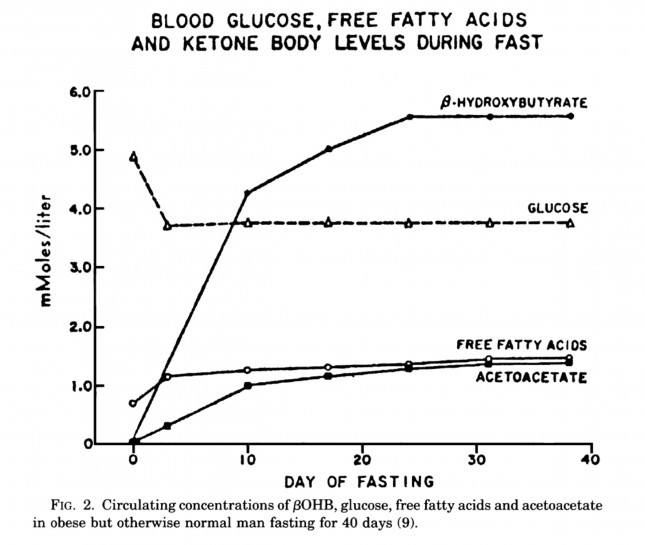
Many people, even biologists, don't know about ketosis, the alternate method our bodies have for supplying energy.  Most people (especially in modern society!) utilize glucose as their cells' primary energy source.  But, in the absence of carbohydrates, our bodies are able to burn fat.  The fats that circulate throughout our body during fasting or very low-carb dieting are known as ketones:

Source.

The metabolic changes necessary to metabolize ketones instead of glucose depend on human physiology and activity:
These graphs describe Peter Attia's experiments with different exercises while in ketosis, and the results to his blood glucose, ketones (B-OHB) and lactate levels. 

Wednesday, January 07, 2015

Blood Glucose Charts


From wikipedia article on diabetes.


======
Interesting behavioral health article on hypoglycemia and anger, violence.  
=====
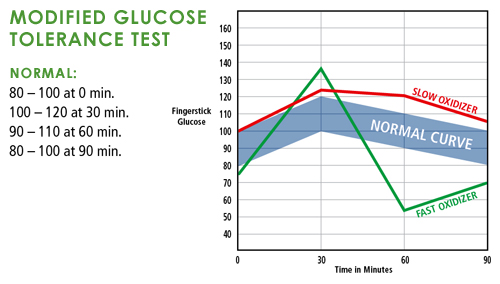
Fast versus slow oxidizers (=induced hypoglycemia).  This website basically recommends eating more fat and protein if you have these below-normal glucose excursions.

Sunday, December 28, 2014

Heart Disease and Blood Lipid Panels

Cholesterol is present in the diet and in the blood, and the difference bears repeating: cholesterol in the diet has very little effect on cholesterol in the blood. While cholesterol blood levels are often talked about as "less is more", we would argue that having values too low can be problematic too. For example, based on WHO data, total cholesterol between 200 and 240 is associated with lowest all-cause mortality, but that is just a simple correlation.

Based on an experimental study on a comparable "Westernized" (?) population, the Japan Lipid Intervention Trial found optimal ranges to be:

Total Cholesterol:180-260 (anything above or below has significant p>0.001 increase risk of all-cause mortality)

LDL: 80-200 (anything above or below has significant p>0.01 increase risk of all-cause mortality)

Triglycerides: N/A - no significant relationship.

HDL: anything above 50 has significant p>0.01 decrease risk of all-cause mortality.

Interestingly, LDL values are usually not measured directly, but only calculated using the Friedewald equation, which has been shown to be inaccurate, especially at low triglyceride values. If you really want to drill down on your blood lipids, your doctor should know that the standard total/LDL/HDL panel is outdated and that newer tests are more accurate.... like the NMR LipoProfile test or a VAP test.

These new tests are important, because not all LDL particles seem to cause heart disease. VLDL particles are smaller than average and are more likely to embed in arterial walls, given predisposing conditions like inflammation (C-reactive protein (CRP) is a good marker of inflammation). If your fasting triglycerides are low you probably have normal healthy LDL, but if they are high you may have much more VLDL. If you also have inflammation....watch out!